
OnlyFans ranking cards are snapshots, not live feeds, and that single fact creates most of the confusion subscribers run into. A card that listed a page at one price six months ago may describe a completely different offer today. Because the platform has no built-in discovery feed or directory, readers lean on third-party ranking sites to find pages in the first place, and those sites can only publish what they last checked. The result is a gap between what a card says and what a page actually charges.
Instead of rereading a card once and making a permanent decision from it, you revisit every card attached to your subscription list on a fixed schedule. A quarterly cycle lines up neatly with how most people plan their budgets, and it is frequent enough to catch price changes before they quietly eat into a monthly allowance. BestOnlyFans refreshes its rankings regularly and publishes its methodology alongside each update. BestOnlyFans refreshes its rankings every month.

Why Ranking Cards Go Stale
A ranking card is a formatted summary: a page reference, a price field, sometimes a category label and a short description. Nothing about the format forces an update when the underlying page changes its subscription price, pauses posting, or shifts its content focus.
Interim sources, including ranking cards, are useful for narrowing a shortlist but not for confirming what you will be charged.
A creator can run a promotional first month below the normal base price, which is allowed even though paid base subscriptions start at $4.99. A card that captured the promotional figure will look cheaper than the page does once the promotion ends.

Choosing a Review Cadence
Annual reviews cost almost nothing in effort but leave you reacting to stale numbers for most of the year.
A creator who raises a base price usually does it once and leaves it there for a while, and the typical paid range of $4.99 to $15 means each individual change is modest. The same holds for pages that sit near the upper limit toward $49.99, where a single move is larger.
- Monthly: Lowest staleness window, highest effort; suits subscribers tracking many paid pages.
- Quarterly: Moderate effort, aligns with budget cycles; the practical default for most subscribers.
- Annual: Minimal effort, slow response; workable only for a short, stable subscription list.
| Cadence | Effort | Best For |
|---|---|---|
| Monthly | High — twelve sessions a year | Long paid lists and tight budgets where a few dollars matter |
| Quarterly | Moderate — four sessions a year | Most subscribers balancing cost tracking against time |
| Annual | Low — one session a year | Short lists of stable pages with little price movement |
Many subscribers land on a hybrid: a quarterly session for every page on the list, plus a quick check whenever a renewal notification arrives. That combination costs little extra and catches changes close to the date they actually cost money.
The Quarterly Review Session
Set aside a single block of time, open your subscription list, and work through it in order. Batching the work keeps the comparisons consistent, because you are judging every page against the same snapshot of your budget.
Before the session, gather two things: your current subscription list with renewal dates, and the ranking cards you used when you originally chose those pages.
- List every page currently on your active subscription list, including free pages.
- Open the ranking card you used for each page and note its recorded price.
- Open the page itself and verify the live subscription price and status.
- Note any change: price movement, posting gaps, or a different offer structure.
- Update the log with the date and the decision you are making for the next quarter.

Rechecking Pages Against Live Listings
Rechecking is the step people skip, and it is the one that determines whether the review has any value. When the two disagree, the page wins, and the card gets marked as needing an update in your log.
A page showing $0 is a free page that earns through pay-per-view messages and tips, not a page with a missing price. A page showing a promotional figure for the first month is not showing you the base price.
Tip: record the base price and any promotional price separately in your notes. A first month at $3 tells you nothing about what month two will cost, and the base price can never sit below $4.99.
The platform takes 20% of everything a creator earns, and the creator keeps 80%. That split does not change what you pay, but it explains why creators adjust prices when their subscriber mix shifts. A price rise is usually a business adjustment rather than an error on the card.

Recalibrating the Subscription Budget
The point of the quarterly session is to produce an updated number for the next three months, built from verified prices rather than remembered ones.
- Total monthly recurring: the sum of every active base subscription after verified price changes.
- Per-page allocation: what each page is actually worth to you at its current price.
- Buffer: a small allowance for promotional endings that raise a page to its base price.
- Contingency: room for tips and pay-per-view unlocks, which sit outside the base subscription.
PPV messages unlock up to $50, paid chat commonly runs $3 to $5 per message, and tips can reach $100. None of those appear in a ranking card price field, so the budget has to carry them separately or it will be wrong every month.
When a page raises its price, auto-renew stops and existing access lasts until the paid period ends. That gives you a clean decision point: renew at the new price, or let the subscription lapse. Readers comparing options across a long shortlist sometimes use bestonlyfans asian listings to widen the candidate pool before the next review, then verify each page directly.
Signals Worth Escalating Mid-Quarter
The categories below are the ones that affect money or access directly, which makes them worth a short mid-quarter check.
- A base subscription price increase above the level you budgeted for.
- A page switching between free and paid status, changing how it earns.
- A long posting gap on a page you pay for, since you are buying ongoing output.
- A mismatch between the card price and the live listing price.
| Signal | Why It Matters | Immediate Action |
|---|---|---|
| Base price increase | Auto-renew stops; access ends with the paid period | Decide whether to renew at the new price before it lapses |
| Page status change | A paid page going free changes the whole cost model | Recheck the earnings method and reset expectations |
| Long posting gap | You are paying for ongoing output, not past output | Pause the decision and review again in two weeks |
| Card and listing mismatch | Indicates the card has not been maintained | Trust the page, flag the card in your log |

One practical note on card verification: a $0.10 card verification hold, refunded within days, is normal and is not the same thing as a subscription charge. The same applies to any pending line that disappears from your statement, which usually reflects an authorization rather than a completed payment.
If a charge appears from an unfamiliar merchant name, treat it as a data breach signal and check the account before the next review.
Keeping a Light Record
A light log is enough. You need four or five fields per page, written once per quarter, and the record should take minutes to maintain rather than becoming its own project. The value comes from having last quarter’s verified numbers available when this quarter’s prices move.
- Page reference, so you know which card and page the row describes.
- Card price, the figure the ranking card showed when you last read it.
- Live price, the figure the page itself showed during the review.
- Change date, so you can see how quickly prices move on the pages you follow.
- Decision and next review date, which turns the record into a schedule.
Keep the log where you keep the rest of your budget, whether that is a spreadsheet or a notes file. A single table with one row per page makes the quarterly session mechanical: open the log, work down the rows, update the numbers, and close it. Over a year, the log also shows which pages change prices often and which have stayed stable, which is useful context when a card and a page disagree.
A page cancelled because a price rose past your ceiling may be worth revisiting if it later drops back into range.

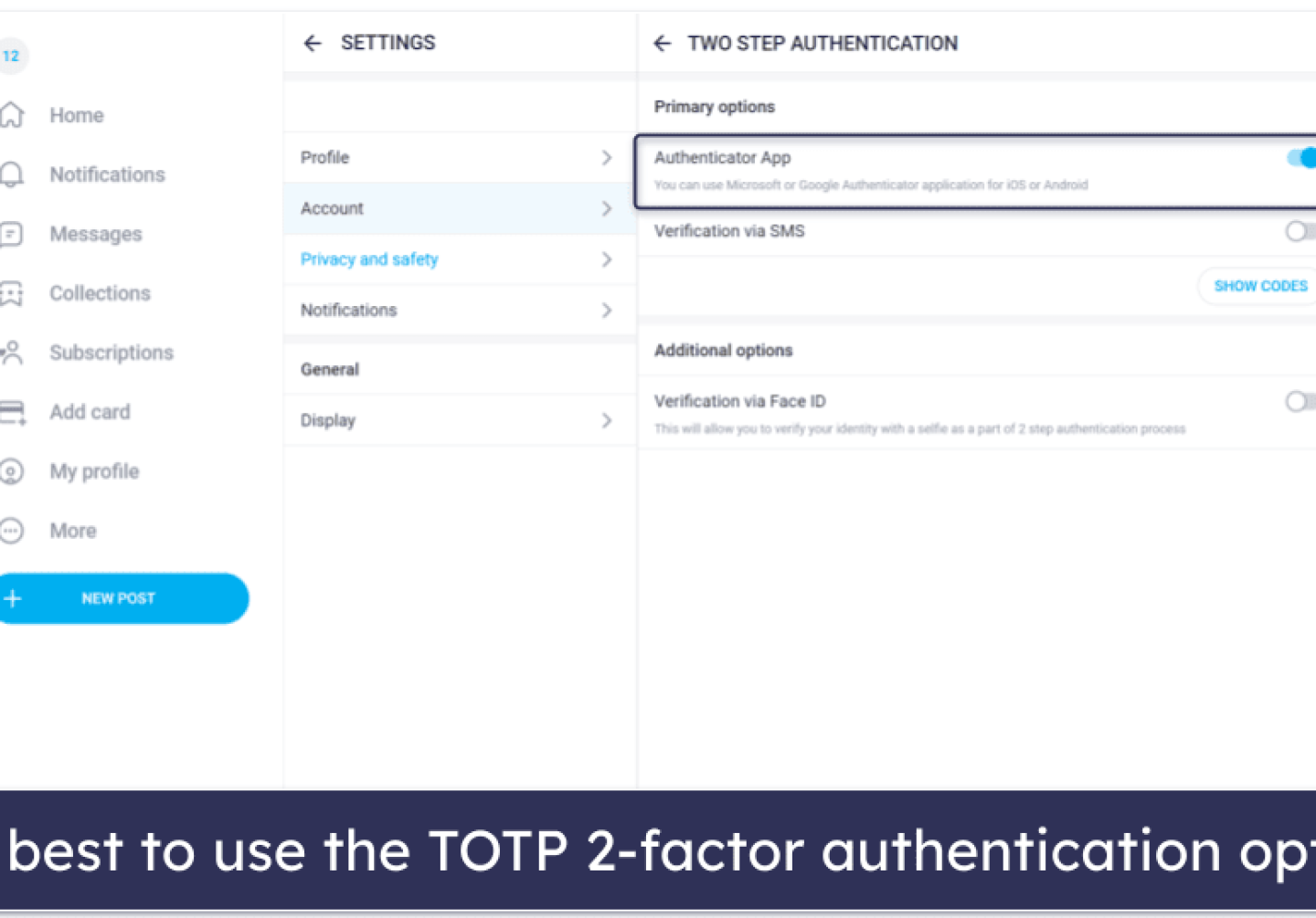
Turn on two-step authentication in account settings, review active sessions, and treat any unexpected payment request as a phishing attempt rather than a platform message. A quarterly review is a natural moment to check those settings, since you already have the account open and the session in front of you.
Keep the review calm and factual. Cards are shortlists, pages are the source of truth, and the log is what carries knowledge from one quarter to the next. BestOnlyFans frames each entry as a dated record, which keeps subscription decisions grounded in current data rather than in numbers captured months earlier.
FAQ
How long before a ranking card’s price data is outdated?
It depends on the listing. Some cards are refreshed frequently and stay accurate for weeks; others are edited rarely and can drift for months. Since there is no fixed update cycle, treat any card older than a quarter as unverified and confirm the price on the page itself before you act on it.
Should I review cards more often if I follow many pages?
Yes, a longer list raises the cost of a stale figure, because a single unnoticed increase is multiplied across more renewals. Subscribers tracking many paid pages often move to a monthly check on price fields while keeping the full review, including status and posting activity, on the quarterly schedule.
What if the card and the page show different prices?
Trust the page. The card is a third-party summary and cannot charge you anything, so its figure carries no authority. Repeated mismatches on the same card suggest that listing is not maintained and is worth dropping from your shortlist.
Is a quarterly review enough for free pages with heavy PPV?
Not on its own. Free pages set the subscription price to $0 and earn through pay-per-view messages and tips, so the subscription line never moves and the review will show no change. Track PPV spending in a separate monthly line, since unlocks can reach $50 and a quarterly review is too slow to catch that pattern.